
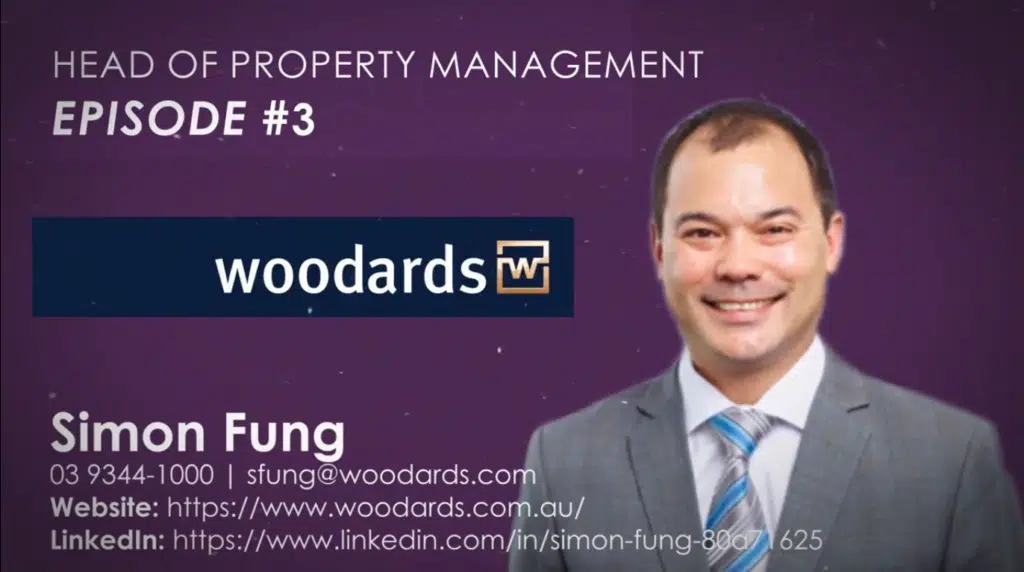
YouTube: RRG – Retaining Staff & Maintaining Company Culture – Ep #3 with Simon Fung
In today’s competitive Real Estate landscape, Staff Retention and Company Culture have become crucial for Business success. Simon Fung, Head of Property Management at Woodards Real Estate, recently shared valuable insights on how Agencies can apply Customer Loyalty principles to Employee Retention. His innovative approach transforms the way we think about managing and motivating Staff in the Real Estate Industry.
Treat Employees Like Customers
Real Estate Professionals excel at attracting and retaining Customers, but the same level of effort is often not applied to Employees. Simon suggests flipping this mindset—treat Employees as Customers and implement strategies that encourage Loyalty and long-term commitment.
One example he shared is the use of Loyalty incentives similar to Retail Businesses. Just as Coles keeps Customers coming back with fuel discounts and Flybuys points, Agencies should identify their own version of these ‘sticky’ incentives to ensure Employees stay engaged and committed. Employees who feel valued and recognised are more likely to develop a strong emotional connection with their Workplace, leading to higher Job Satisfaction and lower Turnover Rates.
Creating Sticky Employees
To build long-term Employee Loyalty, Agencies should ask: What is our version of a Flybuys card for our Employees?
Here are some key strategies to increase Staff Retention:
Retention Bonuses – Offering a financial incentive after a set period (e.g., three years) ensures Employees stay longer. If they leave early, they forfeit the Bonus. This not only rewards Loyalty but also reduces the disruption caused by frequent Staff Turnover.
Sign-on Bonuses – In a competitive hiring market, a Sign-on Bonus can attract top Talent, much like Landlords receive special offers when choosing a Property Management Agency. These incentives demonstrate a Company’s commitment to investing in quality hires and provide an immediate financial reward for joining the Team.
Training & Development – Investing in Employees’ professional growth, such as funding their Certificate IV in Property Services, creates a sense of commitment. However, if an Employee leaves during their Training, they should repay the costs—creating another reason to stay. Encouraging continuous Learning fosters a culture of Professional Development and empowers Employees to advance within the Organisation.
Profit Sharing & Equity Models – Inspired by major Corporations like PepsiCo, introducing Share Options or Profit-Sharing Programs can give Employees a vested interest in the Business’s success. When Employees feel like Stakeholders in the Company, their Engagement and Productivity levels increase, ultimately benefiting the entire Organisation.
Flexible Work Arrangements – The Industry must improve Transparency and Accountability around Remote Work. Implementing Performance-based KPIs rather than micromanaging ensures that Employees remain Productive regardless of their location. Providing Flexibility allows Staff to achieve a better Work-Life Balance, which is increasingly important in retaining top Talent.
Adapting to Industry Changes
Simon also addressed the impact of Legislative Changes on Staff Recruitment. The increase in minimum Education Standards has slowed the influx of junior Talent, making it even more critical for Agencies to develop internal Training Programs and promote Career Pathways from within. Establishing Mentorship Programs and clear Progression Routes helps create a strong Talent Pipeline and ensures a steady flow of skilled Professionals entering the Industry.
Additionally, fostering a positive Workplace Culture where Employees feel supported and appreciated is essential. Simple gestures such as recognising Achievements, providing constructive Feedback, and encouraging Collaboration contributes to a strong sense of Belonging and Purpose within the Organisation.
Final Thoughts
Staff Retention should be treated as a Business Investment rather than an Operational Challenge. By borrowing proven techniques from Retail and Corporate Sectors, Real Estate Agencies can create a thriving, Loyal Workforce that contributes to long-term success. Employees who feel valued, motivated, and connected to their Workplace are more likely to perform at their best and stay with the Company for the long haul.
At Rent Roll Maximiser, we provide tailored consulting services to help Real Estate Agencies grow and optimise their rent rolls. Whether you are looking to expand your rent roll, streamline operations, or enhance team culture, our expertise can guide you toward long-term success.
A 15-minute conversation today could significantly impact your Agency’s future profitability. Contact Us to discuss how we can support your business growth.
For more insights on retaining Staff, improving operational efficiencies, and growing your Real Estate Business, stay connected with Rent Roll Maximiser and industry experts like Simon Fung from Woodwards Real Estate.
— Michael Furlong, Rent Roll Maximiser
Rent Roll Growth Consultant | Property Management Trainer & Coach | Conference Speaker | Podcast Host | Easy to follow Trello Online Systems & Procedures Manuals | Real Estate Agency “Systems” Specialist